
Bridging Finance
Every Deal Is Different.
So Is Our Approach
Whatever the property, whatever the scenario — we structure the right solution across England, Wales and Scotland from our panel of 250+ lenders, including private funds and specialist capital.
What Is Commercial Bridging Finance?
Commercial bridging finance is short-term property lending — typically 1 to 24 months — secured against an asset you either already own or are in the process of buying. Unlike a mortgage, which is designed for long-term ownership, a bridge is designed to be repaid — by selling, refinancing, or completing works and drawing down a term facility.
We arrange bridging exclusively for unregulated purposes — investment property, commercial assets, land, development, and business capital. If the property is your primary residence, the regulated route is the correct product, and a different broker.
Facilities range from £250,000 to £100m+, from 0.37% per month, with decisions in hours and drawdowns typically inside 5-14 working days. New to bridging? Start with the complete guide, or read our in-depth 2026 bridging finance guide covering rates, products, process and costs end to end.
How to Choose Between These Products
The product types below look different but share the same underlying mechanics. Pick primarily by what you're using the money for:
- Buying a property? Start with Quick Purchase, Auction Finance, or Commercial depending on the asset type.
- Releasing equity from a property you own? Capital Raising or Second Charges.
- Funding works? Refurbishment for cosmetic or structural changes; Development for ground-up schemes.
- Refinancing expiring debt? Refinance, or Development Exit if you're rolling off a dev facility.
- Land, with or without planning? Land & Planning.
- Specific circumstances? No Personal Guarantees, Adverse Credit (or the focused bad credit bridging page), International Borrowers, Gateway 2.
If your situation doesn't obviously fit — or spans several — that's normal. Most deals we place cross two or three categories. The boundaries matter less than finding the right lender.

Quick Purchase
Decisions in hours, completion in days.

Capital Raising
Unlock equity in property you own.

Refinance
Existing debt, better terms, release equity.
Commercial & Standing Assets
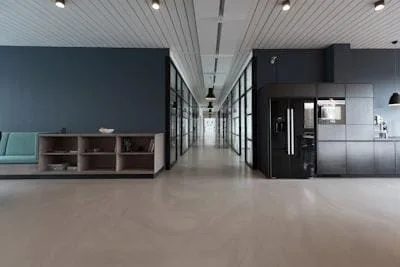
Offices, retail, industrial, mixed-use. Purchase, refinance, or capital raise.

Property Development
Acquire, hold, or prepare sites.

Auction Finance
Meet 28-day deadlines with certainty.

Refurbishment Works
Light to heavy renovation funding.

Land with or without Planning
Strategic land and planning gain plays.
HMO Finance
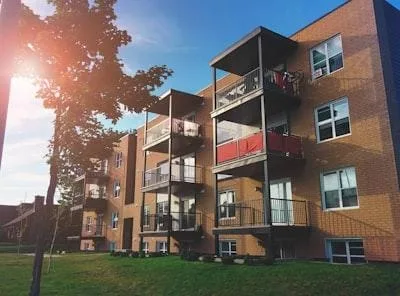
Purchase, convert, or refurbish HMOs.

Development Exit
Replace expiring dev facilities.

Business Finance
Working capital, acquisitions, tax payments, and growth funding.

No Personal Guarantees
Asset-only security. Protect your wealth.

Less-than-Perfect Credit
CCJs, defaults — we look beyond credit files.

Gateway 2 Funding
BSR design costs and approval delays for tall buildings over 18m.

Second Charges
Raise capital behind existing first charge loans.

International Bridging Facilities
UK and overseas. Expats and foreign nationals.
Common Questions
Who is best for bridging loans?
Which type of bridging loan is right for me?
How quickly can a bridging loan complete?
Do I need an exit strategy in place before applying?
Can bridging finance be used for any type of property?
Not Sure Which Product Fits?
Tell us about your deal and we'll recommend the right solution. If we can respond immediately we will, otherwise within 2 hours during business hours.